In today’s fast-moving digital world, QR codes have become a simple yet powerful bridge between the offline and online spaces. From restaurants and retailers to teachers and event planners, people are finding creative ways to use QR codes to revolutionize how we share information. By simply scanning with a smartphone camera, a QR code can direct people to websites, menus, payment pages, apps, or even personal messages.
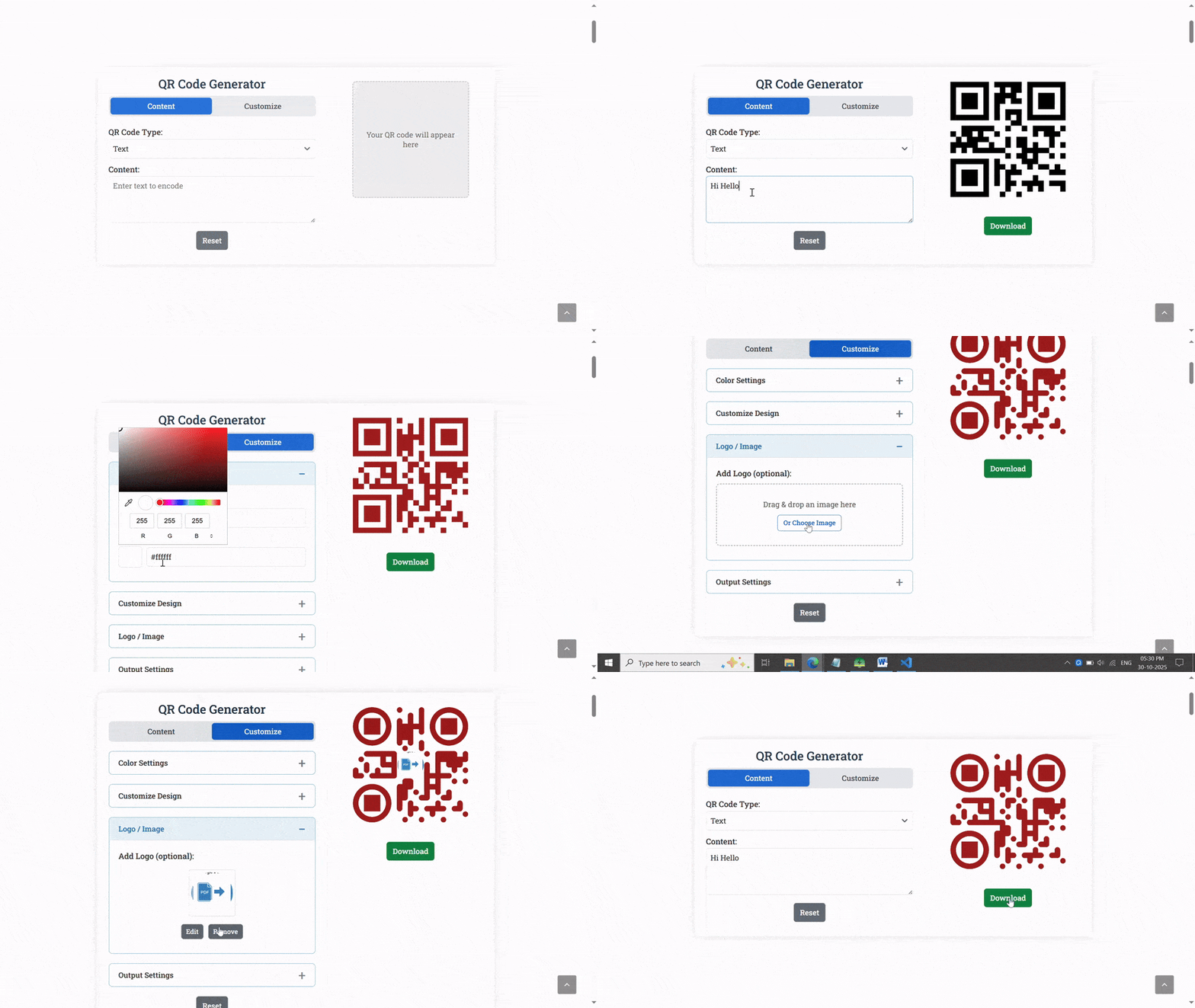
Many people still see QR codes as plain black-and-white boxes, but when used creatively they can become tools for marketing, organisation, and engagement. With the help of modern online tools such as the SoulaTools QR Code Generator, anyone can design unique, scannable codes in seconds without any design knowledge. This article explores forty practical and imaginative ways to use QR codes in daily life, business, education, and personal creativity.
Business & Professional Uses
1. Digital Business Cards
Professionals no longer need to carry bulky stacks of business cards. By embedding contact details inside a QR code, you can create a paper-free digital card. When scanned, it instantly saves your phone number, email, website, and social handles on the recipient’s phone.
- Example: Add your QR code to a conference badge so anyone can scan and store your details instantly.
- Benefit: Saves printing cost, keeps data updated, and leaves a tech-savvy impression.

2. Product Packaging Information
Brands can add QR codes on product packaging to deliver extended information such as usage guides, warranty registration, or promotional videos. This adds transparency and value to the consumer experience.
- Customers can scan for authenticity certificates or traceability data.
- Small businesses can update content on linked web pages anytime without reprinting labels.

3. Invoice and Payment Integration
Instead of typing long account numbers, professionals can include payment QR codes directly on invoices or receipts. A single scan opens the preferred payment gateway or UPI app with the correct amount filled in.
- Example: Freelancers sending digital bills can attach a Pay-to-Scan QR code for instant settlement.
- Benefit: Reduces manual entry errors and accelerates cash flow.
4. Office Navigation and Room Access
Large organisations often struggle with directing visitors. QR codes placed near entrances or lifts can link to interactive maps or floor guides. They can also be used as secure entry passes when linked to temporary access credentials.
For instance, a QR code outside a meeting room can display the current schedule and allow employees to reserve the next slot instantly.
5. Recruitment and Resume Enhancement
Job seekers can embed a QR code on resumes or portfolios that lead recruiters to online profiles, video introductions, or work samples. HR departments can use QR codes on job ads to simplify the application process.
- It makes the application interactive and shows digital fluency.
- Recruiters save time by accessing candidate portfolios instantly.
6. Inventory and Asset Management
Companies can label equipment, tools, or files with unique QR codes to track usage, maintenance history, and storage location. When an employee scans the code, they can see who last used the item and when it’s due for service.
Small retail shops can also use QR codes to maintain product databases linked to spreadsheets, ensuring quick stock updates without expensive software.
7. Restaurant Menus and Ordering
Restaurants can replace traditional menus with scannable digital ones. Each table can have its own QR code that opens the correct menu or order page. This reduces paper waste and simplifies updates when prices or dishes change.
Some advanced setups even allow direct ordering and online payment through the same QR link, improving efficiency and hygiene.
8. Event Registration and Ticketing
Event organisers can send out QR codes as digital tickets. When guests arrive, scanning verifies their entry instantly, avoiding paper tickets and queues.
- Codes can contain seat numbers, event maps, or schedules.
- Attendees appreciate contactless check-in and quick access.
9. Business Presentations and Reports
During meetings, presenters can include a QR code on the final slide linking to a downloadable report, proposal, or feedback form. This eliminates the need for printed handouts and makes follow-up smoother.
Managers can also use internal QR codes on dashboards for employees to access shared resources or training material quickly.
10. Customer Feedback Collection
Feedback forms often go ignored when hidden behind complicated links. A QR code placed at the billing counter, on invoices, or at product packaging encourages instant scanning and response.
- Example: After dining, a customer scans a small code on the bill to rate service quality.
- Benefit: Improves response rates and provides real-time insights into customer satisfaction.
11. Professional Portfolios and Brochures
Designers, photographers, and consultants can add QR codes to printed brochures that showcase full project galleries or client testimonials online. It bridges print marketing with digital storytelling.
For instance, an interior designer can link the code to a virtual walkthrough video of completed spaces, giving potential clients an immersive experience.
12. Company Policy and Compliance Documents
HR teams can place QR codes on notice boards that connect to updated company policies, safety procedures, or emergency contact lists. Employees can access the latest document version anytime without physical copies.
It’s a convenient way to maintain transparency and ensure compliance information remains current.
13. Supplier and Partner Communication
Businesses dealing with multiple suppliers can print QR codes on purchase orders or packaging slips to simplify re-ordering and status tracking. Each code may lead to a dedicated vendor portal or order-status page.
This reduces phone calls and emails while keeping transactions well-documented and traceable.
14. Product Demonstrations at Trade Shows
Instead of relying solely on sales pitches, exhibitors can display QR codes that link to demo videos, technical sheets, or customer reviews. Visitors can scan and explore details later at their convenience.
This technique allows booths to reach more potential leads even when staff are busy attending other visitors.
15. Digital Certificates and Authenticity Proofs
Companies can use QR codes on official certificates, warranty cards, or awards to verify authenticity. Scanning the code validates the document on the official website, preventing duplication or fraud.
Educational institutions and training providers also benefit by issuing digital certificates linked to online verification pages.
Marketing & Branding Uses
16. Social Media Promotion
One of the smartest marketing uses of QR codes is linking directly to social media pages. Whether it’s an Instagram profile, a Facebook page, or a YouTube channel, scanning the QR code helps people connect instantly without searching manually. This is especially useful on printed posters, packaging, or event banners where clickable links aren’t possible.
For example, musicians can print QR codes on album covers that open Spotify or YouTube Music directly. Brands can also use dynamic QR codes that update to different campaigns over time, keeping the same printed material relevant for months.
17. Discount Coupons and Loyalty Programs
Businesses can create special promotional QR codes that deliver exclusive discounts when scanned. A coffee shop might place a “Scan for 10% off” code on takeaway cups or receipts. This encourages repeat visits and builds brand loyalty. Restaurants, clothing stores, and online sellers can integrate these QR codes with digital loyalty cards or reward systems.
When linked with analytics tools, marketers can track how many people scanned and redeemed the coupon, helping them evaluate campaign performance in real time.
18. Product Reviews and Testimonials
Trust plays a vital role in customer decisions. Companies can print QR codes on product packaging or near checkout areas that lead to authentic user reviews or video testimonials. When buyers scan and read positive feedback from other customers, it reinforces confidence and encourages purchase.
Similarly, service providers can include QR codes on invoices or service slips, making it easy for clients to leave Google or Trustpilot reviews with a single tap.
19. Email List Building and Newsletter Signup
QR codes can act as simple gateways to grow your email subscriber base. By scanning, users land on a signup form prefilled with campaign details. Marketers can place these codes on posters, product manuals, or event stalls to turn offline audiences into online subscribers without manual data entry.
For example, a bookstore could place a QR code at the billing counter offering “Scan to Join Our Book Club Newsletter” with monthly recommendations and offers.
20. Packaging That Tells a Story
Modern consumers want more than a product; they crave the story behind it. A QR code can transform plain packaging into a storytelling tool. When scanned, it might show how the product was made, introduce the team behind it, or highlight sustainability efforts.
For example, an organic tea brand could link each batch to the specific farm it came from, including short farmer interviews or harvest photos. This transparency builds emotional connection and long-term trust.
21. Interactive Advertisements
Billboards, print ads, and TV commercials can only share limited information. By adding a QR code, advertisers can extend engagement beyond the ad space. A scan can unlock behind-the-scenes videos, limited-time contests, or AR experiences. This blend of offline visuals and digital interactivity makes campaigns more memorable.
QR codes also help advertisers track response rates across different cities or magazines, offering valuable insight into ROI that traditional print campaigns can’t easily provide.
22. Branded Merchandise
Businesses can integrate QR codes into T-shirts, mugs, or tote bags that link to websites, promo pages, or event tickets. Creative designs allow the code itself to blend with the product’s aesthetics while remaining functional. This transforms everyday objects into portable digital gateways for marketing.
For instance, a concert merchandise T-shirt might carry a QR code that opens exclusive backstage videos or early-access content for fans.
23. Real Estate Listings
Real estate agents can attach QR codes on “For Sale” signs or printed brochures, linking directly to property pages, photo galleries, or virtual tours. Prospective buyers scanning the code can instantly see interior images and contact the agent without typing long URLs.
This not only saves time but also increases the chances of engagement by making listings interactive even after office hours.
24. Outdoor and Transit Advertising
Posters on buses, metro stations, or street billboards often have limited attention time. A large, easily scannable QR code helps curious viewers quickly access more details before the vehicle moves or the signal changes. Marketers can track scans by location, refining their outdoor campaign strategies.
For example, a movie promotion poster can include a QR code that opens the trailer instantly or directs to the nearest theatre’s ticketing page.
25. Restaurant Takeaway Branding
Beyond digital menus, restaurants can print QR codes on takeaway bags or delivery boxes to encourage reviews, promote social pages, or distribute discount codes for the next order. These small touches increase customer retention and strengthen brand recall even after the meal ends.
Fast-food chains can even turn the code into a fun mini-game or loyalty tracker, where each scan earns reward points toward free meals.
Educational, Non-Profit, and Community Uses
26. Enhancing Classroom Learning
QR codes are transforming classrooms into interactive spaces. Teachers can generate codes linking to videos, articles, or quizzes related to their lessons. Instead of manually typing URLs, students simply scan and access resources instantly. This saves valuable time and keeps learning dynamic.
For example, during a history class, a teacher could place QR codes on a timeline chart that link to documentaries or audio clips about major events. This mix of traditional and digital content appeals to visual and auditory learners alike.
27. Digital Homework Submission
QR codes simplify homework collection and submission in schools. Teachers can create personalized codes for each assignment, directing students to upload portals or Google Forms. Students can also include a QR code on their printed assignments that links to their digital work, ensuring no file gets misplaced.
This method fosters a hybrid learning environment and reduces paper waste, aligning with eco-friendly education practices.
28. Museum and Library Exhibits
Museums and libraries are now adopting QR codes to enhance visitor engagement. A small code beside an artifact can lead to extended details, historical context, or curator commentary. Similarly, library shelves can feature QR codes that open e-book versions, reviews, or author interviews.
These simple additions make cultural and educational spaces more interactive, catering to modern audiences who expect instant access to deeper information.
29. University and College Orientation
During student orientation, institutions can distribute QR codes that link to campus maps, event schedules, and emergency contact info. Instead of bulky brochures, new students can keep essential details on their phones. Colleges can even embed feedback forms or orientation quizzes to make the experience engaging.
This system also helps international students who may struggle with language barriers — the code can link to translated documents or voice-guided tours in different languages.
30. Non-Profit Awareness Campaigns
Non-profit organizations can use QR codes to raise awareness or encourage donations. Posters and flyers can include a QR code leading directly to donation pages, campaign videos, or volunteer signup forms. This frictionless approach allows anyone moved by the cause to take immediate action.
For example, an animal shelter might use QR codes on posters showing rescue animals, linking directly to adoption information or sponsorship forms. This helps transform emotional impact into measurable engagement.
31. Event Registration and Ticketing
Charity events, workshops, and conferences can simplify registration using QR codes. When scanned, they open the event’s registration form, location map, or schedule. Once registered, participants can receive a personalized QR ticket for entry, reducing printing costs and check-in delays.
Event organizers can even update the code’s destination dynamically — for instance, before the event it links to the signup page, and afterward it directs to thank-you notes or post-event surveys.
32. Public Safety and Emergency Information
QR codes play a crucial role in community safety. Local governments can place them on street signs, bus stops, or public buildings to share evacuation routes, police contacts, or health resources. In emergencies, citizens can instantly access verified information instead of relying on uncertain online searches.
Similarly, workplaces can use QR codes on safety posters linking to training videos or first-aid instructions. This empowers employees to act quickly during critical moments.
33. Healthcare and Medical Access
Hospitals and clinics can attach QR codes on prescription slips, appointment cards, or patient wristbands. Scanning these codes can reveal medication instructions, follow-up schedules, or test results — all securely accessible through patient portals. It minimizes confusion and ensures patients always have the right information on hand.
Public health departments can also use QR codes in awareness drives, linking to vaccination centers, symptom checkers, or educational resources about diseases.
34. Tourist Information and Local Guides
QR codes have revolutionized tourism. Cities can install them on monuments, scenic spots, and public transport stations to provide instant access to maps, local stories, and restaurant guides. Tourists can explore confidently without needing a physical guidebook or constant internet searching.
Hotels and travel agencies can use them too — a single QR code on a brochure can lead to multiple tours, booking pages, and weather updates, giving visitors an effortless way to plan their stay.
35. Community Events and Workshops
Local clubs, hobby groups, or religious organizations can include QR codes on flyers to promote events. The code can take users directly to RSVP forms, social group pages, or discussion threads. It reduces the need for manual registrations and keeps the community connected.
Even after the event, the same code can be repurposed to share photos or thank participants, maintaining long-term engagement with minimal effort.
Personal, Creative, and Tech Uses
36. Digital Resumes and Portfolios
Job seekers can instantly stand out by adding a QR code to their printed resumes or business cards. When scanned, it opens a digital portfolio, LinkedIn profile, or an online resume showcasing achievements, certifications, and projects. This adds a modern touch and saves recruiters time from manually searching online.
Designers and developers often include QR codes linking to GitHub repositories, Behance portfolios, or demo websites. It provides employers a quick, verified way to view a candidate’s skills in action, enhancing first impressions during interviews.
37. Smart Invitations for Weddings or Parties
Traditional invitations are elegant but often cluttered with long addresses and RSVP details. A QR code elegantly simplifies everything. Guests scan to access digital invitations, maps, gift registries, or event countdowns. For weddings, couples can include photo galleries, playlists, and even live-stream links for remote attendees.
This approach saves printing costs, keeps everything organized, and ensures guests always have up-to-date details without confusion over last-minute changes.
38. Personal Finance and Payment Links
With UPI and other digital payment systems, QR codes have become everyday tools for personal finance. Individuals can generate custom payment QR codes to receive money instantly. Freelancers, small business owners, or street vendors can print or display their QR codes for easy cash-free transactions.
Beyond payments, people use them for quick access to investment dashboards or expense trackers. It blends convenience with professionalism, showing how technology can simplify even personal transactions.
39. Wi-Fi and Smart Home Connectivity
Typing long Wi-Fi passwords is frustrating — but a QR code can eliminate that. Homeowners can generate Wi-Fi QR codes that let guests connect automatically with one scan. It’s safe, private, and far easier than sharing passwords verbally or on paper.
Smart home enthusiasts also use QR codes to pair devices or open control dashboards for lights, cameras, and thermostats. A small label with a QR code beside each gadget makes managing smart systems smooth and intuitive.
40. Fun, Art, and Creative Expression
Artists and content creators have found unique ways to blend QR codes with creativity. A painter might embed a scannable code into artwork that opens a video of the painting process. Poets and musicians can include QR codes that play audio versions of their work or link to performance videos.
Even graffiti artists have begun tagging murals with QR codes that reveal stories, meanings, or donation links for community art projects. This fusion of technology and art bridges offline and online worlds in imaginative ways.
Conclusion
From marketing campaigns to museum tours, QR codes have evolved into one of the most versatile tools of the digital age. They connect physical experiences with online content instantly, saving time and effort while making information universally accessible. With tools like Soula Tools QR Code Generator, anyone can create custom QR codes within seconds — no design skills or software downloads required. The generator empowers businesses, educators, and individuals to experiment freely and discover countless ways to integrate QR technology into daily life.
Whether you want to streamline payments, modernize classroom teaching, boost marketing campaigns, or simply make life easier, QR codes open limitless possibilities. They turn simple interactions into engaging, trackable, and meaningful experiences. In the end, it’s not just about scanning a pattern — it’s about unlocking connections, stories, and innovations that make the world a little smarter and more connected every day.